Refrigerator Care
Refrigerator Temperature Zones: What to Record Before Service
· Updated November 3, 2026
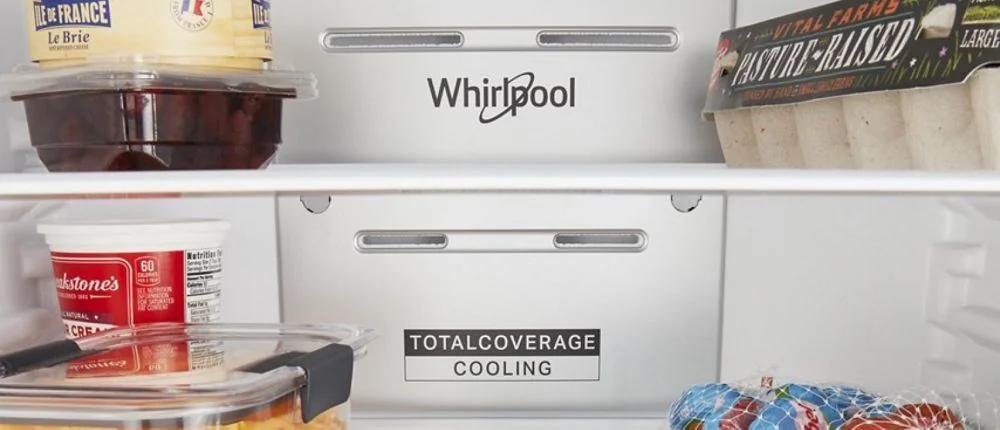
A warm shelf, freezing produce or a changing display is easier to explain when every observation has a location, a time and a measuring method. Record the control setting separately from an independent thermometer reading. Neither number alone identifies a failed part.
This guide helps you prepare a household refrigerator service inquiry. It does not prescribe a universal coldest shelf or replace your model’s instructions. For broader cooling symptoms, see the refrigerator cooling checklist.
Protect food before collecting readings
The FDA’s refrigerator thermometer guidance recommends keeping a refrigerator at 40°F or below and a freezer at 0°F. Use suitable alternative cold storage when needed, and follow food-specific guidance for the time above temperature. Do not leave perishables in a warming refrigerator just to finish a log.
A later cold reading does not erase an earlier warming period. Food that looks or smells normal is not necessarily safe. If you cannot establish when warming began, write “time unknown” rather than inventing an estimate.
Name the zone before comparing numbers
Describe the exact shelf, drawer or door bin. “Upper shelf, left side, toward the front” is more useful than “inside.” These are observation locations, not recommended food-storage assignments.
- Main storage position
- Identify the shelf height and front, rear, left or right position. Follow your model's measurement-placement instructions.
- Reported problem area
- Name the drawer or shelf where items froze or felt warm. Note whether nearby packages were affected.
- Door storage
- Identify the particular door and bin. Say whether the concern is confined to that location.
- Separate freezer
- Keep its own control setting and temperature record. Hard ice is not an independent temperature measurement.
For paired built-in columns, identify the affected appliance separately. Matching doors can belong to different units, and a neighboring cabinet’s reading should not be attributed to the one with the concern.
Separate the setting from the measurement
The control setting records what the appliance is being asked to maintain. An independent thermometer records a measurement at a particular place and time. Keep both, including units.
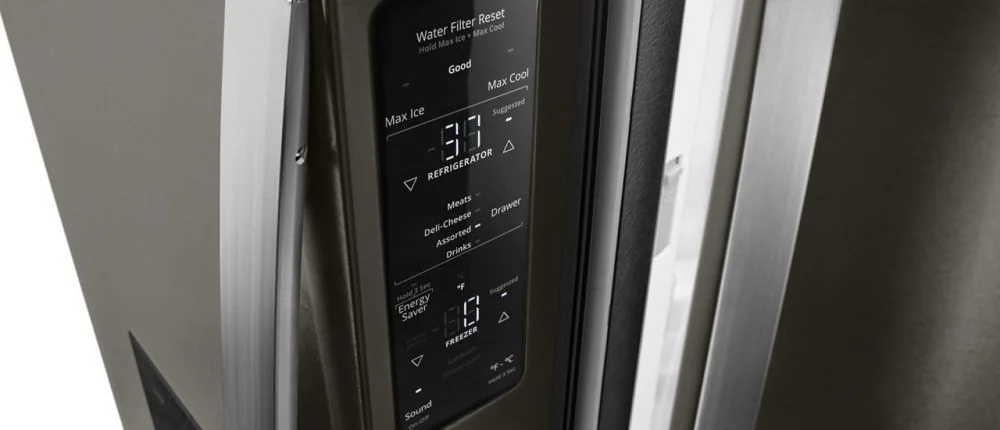
Check whether your model’s display shows a target, an actual reading or a mode indicator. A numbered dial may not show degrees at all: copy “3” as the selected setting rather than converting it to an assumed temperature.
If you already changed a setting under the manual’s instructions, note the old value, new value and time. Avoid repeated adjustments or resets while trying to describe the concern.
Keep the measuring method consistent
Use an instrument suited to the appliance and follow its instructions. Say what was measured, where the instrument was placed and how long it had been there. Do not combine readings from different methods into an unexplained sequence.
GE Appliances’ measurement guidance explains that door openings and defrost affect air readings and describes a procedure using stabilized food or liquid. Placement also differs by layout. Follow the instructions for your exact model and instrument; do not immerse a device unless it is designed for that use.
- After moving the thermometer: record the new position and allow the interval specified in the applicable instructions.
- After a control change: record the change and the time rather than treating later readings as unchanged conditions.
- After unusual use: note groceries being loaded, a door left ajar or a power interruption if you observed it.
Do not deliberately leave a door open or recreate a warming event. Recording observations must not delay a food-safety decision.
Use a short temperature log
Download the blank temperature log (CSV)
The blank worksheet opens in a spreadsheet and can be printed. It is for household service preparation, not a commercial food-safety compliance record or remote diagnosis.
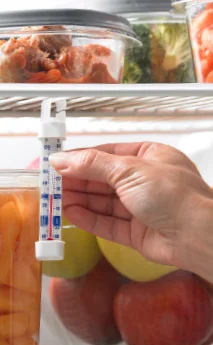
For each entry, include these details:
- Date and time
- Use the local date and time. Mark the beginning of a problem as unknown if you cannot establish it.
- Compartment and position
- Identify the refrigerator or freezer and the exact shelf, drawer or bin.
- Selected setting
- Copy the value as displayed, including whether it is degrees, a dial number or a mode.
- Independent reading
- Record your actual measurement and its Fahrenheit or Celsius unit.
- Instrument and method
- Name the instrument, placement and time at that position. Keep the method comparable.
- Relevant context
- Note an observed door opening, control change or power interruption. Leave gaps rather than guessing.
There is no required number of entries before contacting a provider. One reading with its limitations can start the conversation. For a saved history or screenshot, keep timestamps and units visible; a minimum or maximum needs a known observation period.
Describe patterns without diagnosing parts
Report whether one item, one compartment or several units are affected. None of those patterns alone identifies a sensor, fan, control board or compressor failure.
One item freezes
Record where the package sat and whether neighboring items were affected. This does not establish that the whole compartment was below freezing.
One area seems warm
Include the exact location, time and measuring method. A warm spot alone does not establish which component is responsible.
Both compartments change
Keep separate refrigerator and freezer records. Do not average their readings or assume every design uses the same cooling arrangement.
Whirlpool’s guidance on food freezing notes that vent locations vary by model and items directly in a cold-air path may freeze. Mention visible obstructions, but do not remove internal covers or chip away ice to investigate.
“The concern appeared after our usual evening use” is an observation. “The control board overheats every evening” is a diagnosis that your notes may not support.
Prepare a multi-brand service inquiry
Bring these items into the same conversation:
- Appliance identity: brand and complete model number from an accessible label or existing paperwork. Do not pull out a refrigerator to find it.
- Symptom timeline: what changed, when it was noticed and which compartment or items were affected.
- Your record: readings, selected settings, methods and any relevant photographs of the controls.
- Practical access details: built-in installation, narrow entry, parking, building check-in or a property manager’s approval, where relevant to your actual property.
Keep private addresses, door codes and unrelated personal information out of shared photographs or worksheets. Provide access details directly through the service inquiry.
Review the refrigerator repair service page or the appliance appointment checklist for visit preparation. Call +1 818 308 3343 or use the service request page to confirm model coverage, availability and diagnostic terms. A worksheet helps explain the concern; diagnosis still requires assessment of the appliance.
Common questions
Is the coldest shelf always in the same place?
No generic diagram establishes that for every model. Follow your cabinet's instructions and name the actual location you measured. Observation labels do not specify where a particular food belongs.
Should I average refrigerator and freezer readings?
No. Keep each compartment's readings and settings separate, with units visible. An average conceals the individual conditions a provider needs to understand.
What if I do not own a thermometer?
You can still request service. Describe the affected items, compartment, settings, display message and timeline. State that no independent reading is available; do not invent a temperature based on touch or delay a food-safety decision.
Sources and model instructions
The two illustrations and blank worksheet are original explanatory materials. They contain no customer measurements and do not claim that a repair has been performed.
- FDA: Refrigerator Thermometers — Cold Facts about Food Safety.
- GE Appliances: Measuring Internal Temperatures.
- Whirlpool: Preventing Food from Freezing in the Refrigerator.
Manufacturer procedures apply to the designs they describe. Consult the manual for your exact model before adjustments or owner maintenance.